
 Image 1 of 1
António Reis, Margarida Cordeiro 1976, Portugal, 111m
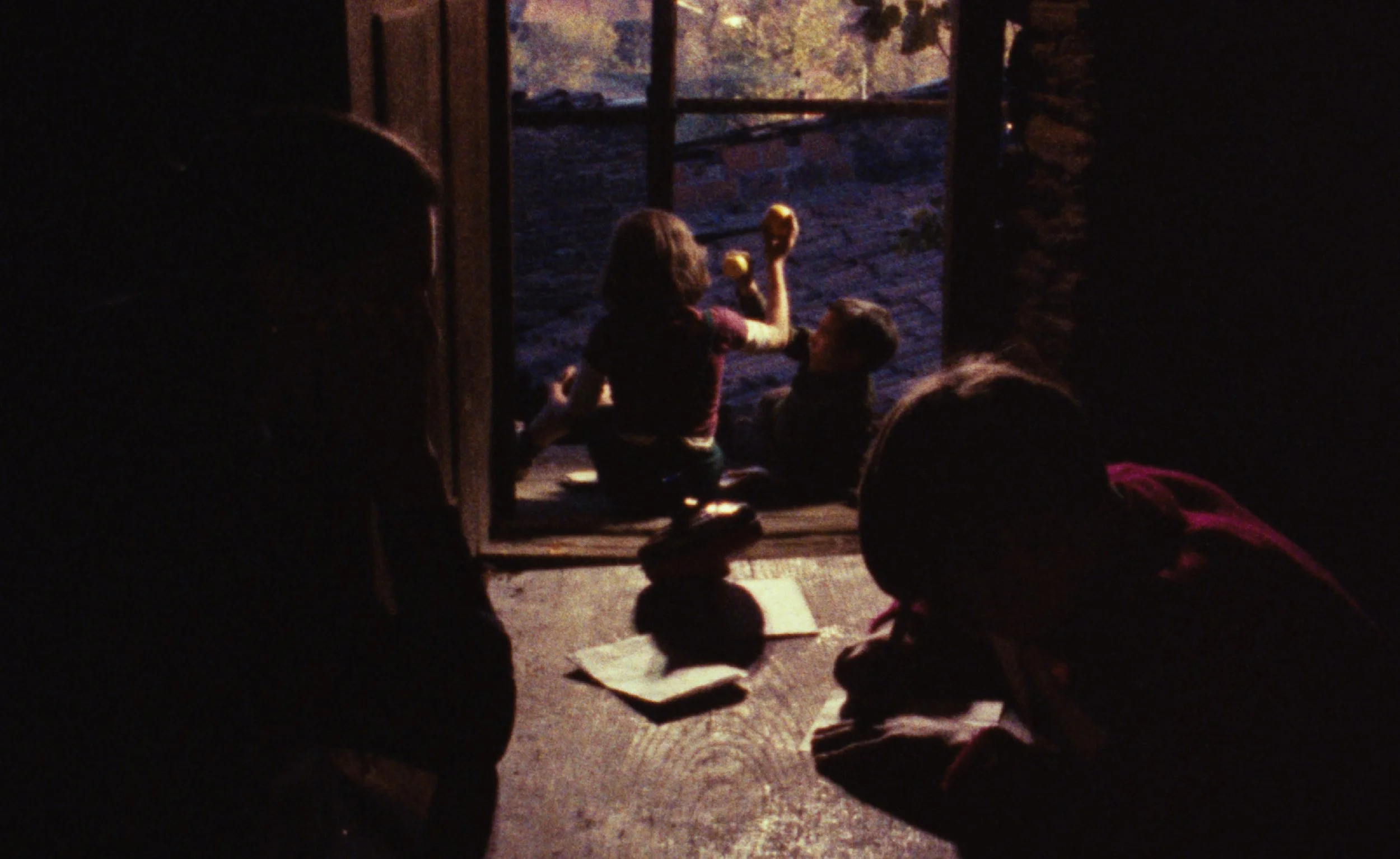
A film of long shadows and smoke in twilight, Trás-os-Montes is an intensive labor of recollection, an epic of a land and a way of life on the edge of oblivion, and a major turning point in the history of Portuguese cinema. In 1974, filmmakers António Reis and Margarida Cordeiro traveled ten thousand kilometers across the isolated, near-mythical region in the Northeast of Portugal known as Trás-os-Montes. They recruited a cast of inhabitants old and young from local villages to materialize their histories, legends, dreams, and nightmares for the camera. The philosophy of the peasants, their rebellion, their everyday existence far from the laws of church and state, and their closeness to ancient things—these encounters informed the dialectical approach of the film, where fiction and reality, past and future swell in an immediate present. The result is a work of deep and threatened lyricism. In voiceover, Reis and Cordeiro adapt passages from Kafka and the Chinese poet Po Chü-i, translated to the guttural subdialect of the Northeast. As an act of solidarity with a people facing extinction, Trás-os-Montes echoes through time.
António Reis, Margarida Cordeiro 1976, Portugal, 111m
A film of long shadows and smoke in twilight, Trás-os-Montes is an intensive labor of recollection, an epic of a land and a way of life on the edge of oblivion, and a major turning point in the history of Portuguese cinema. In 1974, filmmakers António Reis and Margarida Cordeiro traveled ten thousand kilometers across the isolated, near-mythical region in the Northeast of Portugal known as Trás-os-Montes. They recruited a cast of inhabitants old and young from local villages to materialize their histories, legends, dreams, and nightmares for the camera. The philosophy of the peasants, their rebellion, their everyday existence far from the laws of church and state, and their closeness to ancient things—these encounters informed the dialectical approach of the film, where fiction and reality, past and future swell in an immediate present. The result is a work of deep and threatened lyricism. In voiceover, Reis and Cordeiro adapt passages from Kafka and the Chinese poet Po Chü-i, translated to the guttural subdialect of the Northeast. As an act of solidarity with a people facing extinction, Trás-os-Montes echoes through time.