 Image 1 of 1
Post-screening Q&A afterwards!
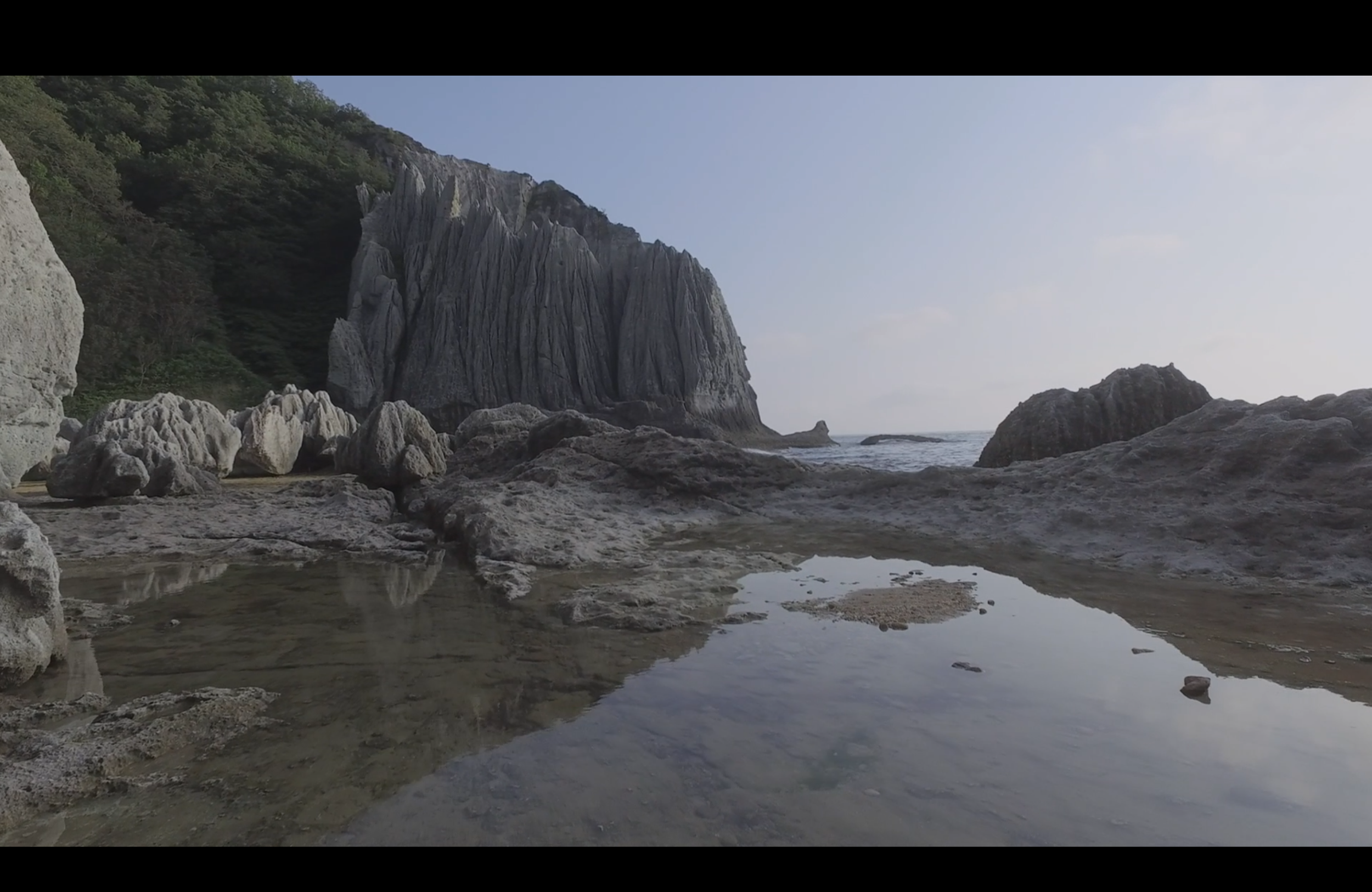
Kim Mirye, 2018, South Korea, 74 min
On August 30th, 1974,a time bomb set by the "Wolf" brigade of the East Asia Anti-Japan Armed Front destroyed the Tokyo Headquarters of Mitsubishi Heavy Industries. "Fangs of the Earth" and "Scorpion" soon followed with more bombings. Unlike other leftist groups at the time that sought to seize the Japanese state to build socialism, the EAAJAF were explicitly opposed to the Japanese nation-state, understanding it as an imperialist power in East Asia and a junior partner to American imperialism.
Over 50 years have passed since the Mitsubishi bombing; some EAAJAF members have passed, others are still incarcerated, and some have been recently released. In the intervening years, a group of friends and family members stepped forward to support their incarcerated loved ones, answering questions about how to provide long-term prisoner support for people incarcerated by the state and condemned by society.
Guiding us through the memory-scape of the EAAJAF movement, this film reflects upon the power and violence of the state, posing questions about responsibility, complicity and solidarity for individual human beings living within the territories of imperial states.
Compelled by the energy of ordinary people,Kim Mirye's work has zoomed in on the experience of exclusion in everyday lives.Her films investigate and uncover historical roots of dehumanization, and on their relation to others and the world. What is it to resist in the heart of empire?
Post-screening Q&A afterwards!
Kim Mirye, 2018, South Korea, 74 min
On August 30th, 1974,a time bomb set by the "Wolf" brigade of the East Asia Anti-Japan Armed Front destroyed the Tokyo Headquarters of Mitsubishi Heavy Industries. "Fangs of the Earth" and "Scorpion" soon followed with more bombings. Unlike other leftist groups at the time that sought to seize the Japanese state to build socialism, the EAAJAF were explicitly opposed to the Japanese nation-state, understanding it as an imperialist power in East Asia and a junior partner to American imperialism.
Over 50 years have passed since the Mitsubishi bombing; some EAAJAF members have passed, others are still incarcerated, and some have been recently released. In the intervening years, a group of friends and family members stepped forward to support their incarcerated loved ones, answering questions about how to provide long-term prisoner support for people incarcerated by the state and condemned by society.
Guiding us through the memory-scape of the EAAJAF movement, this film reflects upon the power and violence of the state, posing questions about responsibility, complicity and solidarity for individual human beings living within the territories of imperial states.
Compelled by the energy of ordinary people,Kim Mirye's work has zoomed in on the experience of exclusion in everyday lives.Her films investigate and uncover historical roots of dehumanization, and on their relation to others and the world. What is it to resist in the heart of empire?